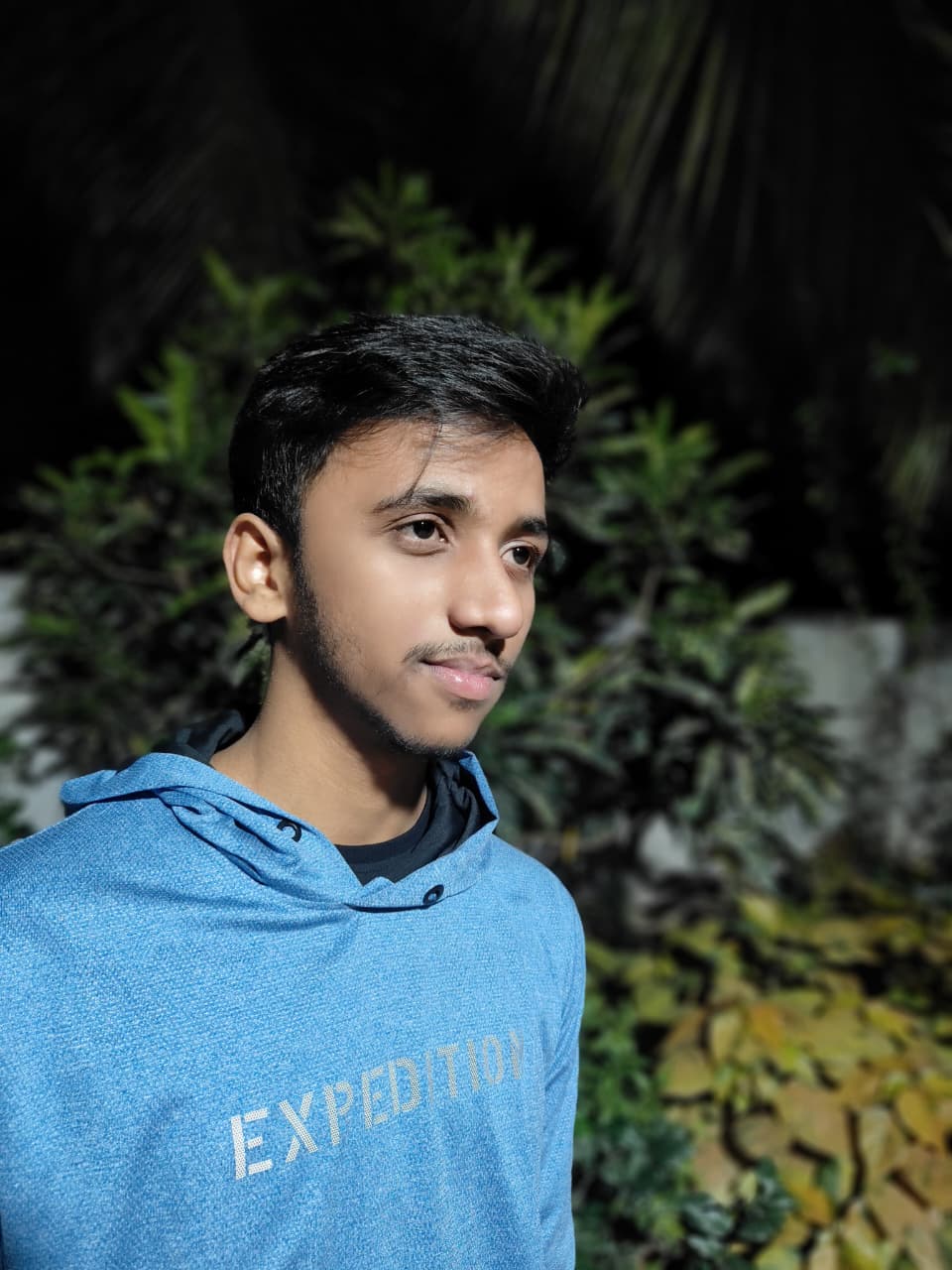
Software Engineer · ML Researcher
Shivapreetham H S
Computer Science undergraduate at NIT Jamshedpur.
I build production systems (a RAG chatbot adopted by the Government of Jharkhand, an elastic local-LLM proxy published on PyPI) and publish research on EEG signal processing and computer vision — nine papers, one with a Best Paper Award at IEEE DSPA 2026.
Featured projects
All projects →RAMP
2026Resource-Aware Model Proxy for local LLMs
An elastic serving daemon that fronts Ollama and llama.cpp, watching RAM, VRAM, and disk on an async loop and swapping models up and down a quality ladder under memory pressure — transparently, to any OpenAI-API client. Published on PyPI as ramp-llm.
Python · FastAPI · psutil · Docker
SafeSight
2026NSFW content moderation platform
A production content-moderation service built around a custom attention-based detector, taken from research model to a monitored API: staged inference cascade, drift detection, and an automated retraining loop.
Python · PyTorch · ONNX Runtime · FastAPI +3
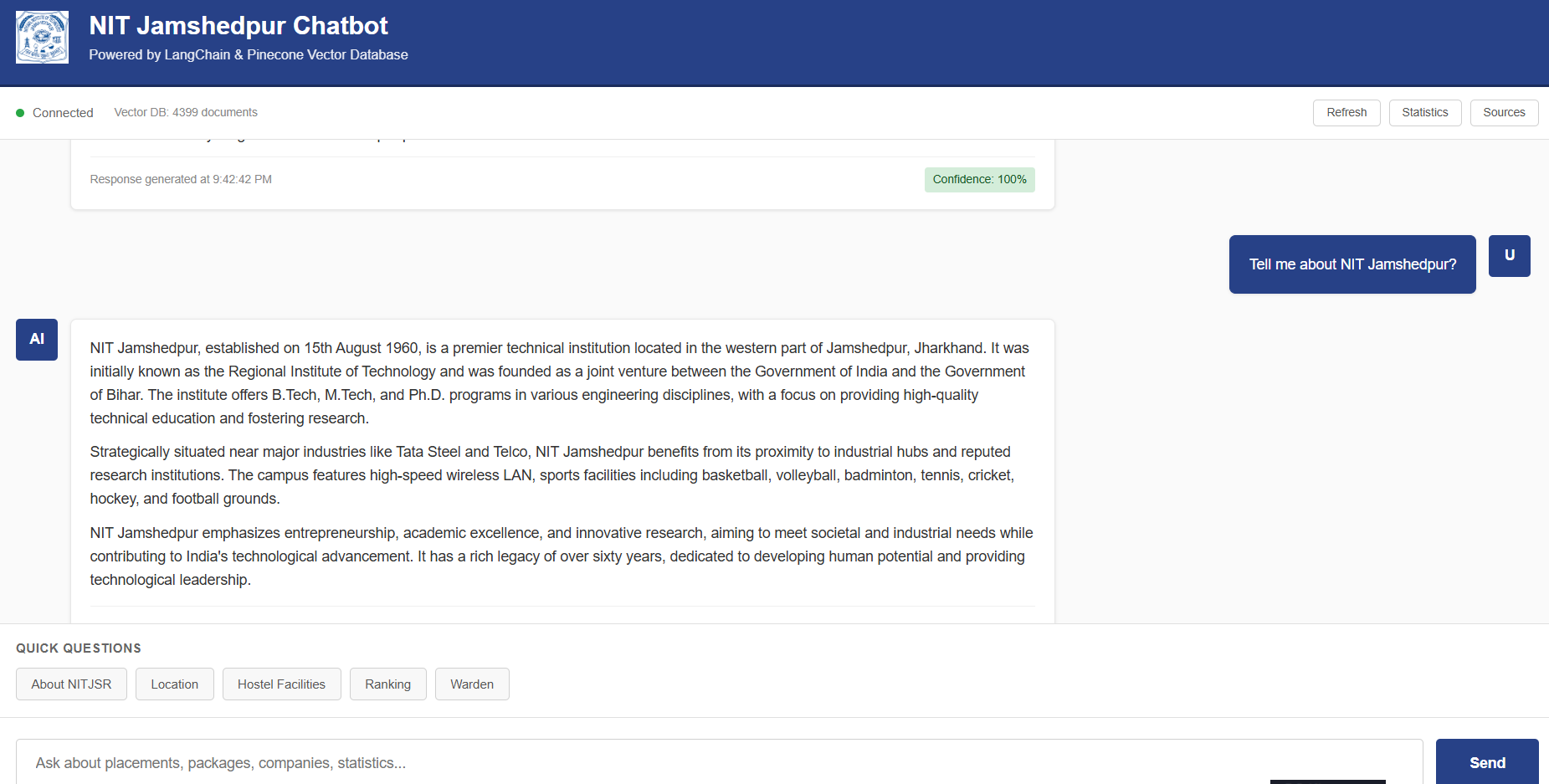
NITJSR Chatbot
2025Government of Jharkhand Adopted RAG System
Production RAG chatbot adopted by the Government of Jharkhand, serving NIT Jamshedpur students. Cohere embeddings, Pinecone vector database, and Gemini generation, with LSH-based response caching.
Python · Cohere v3 · Pinecone · Gemini +4
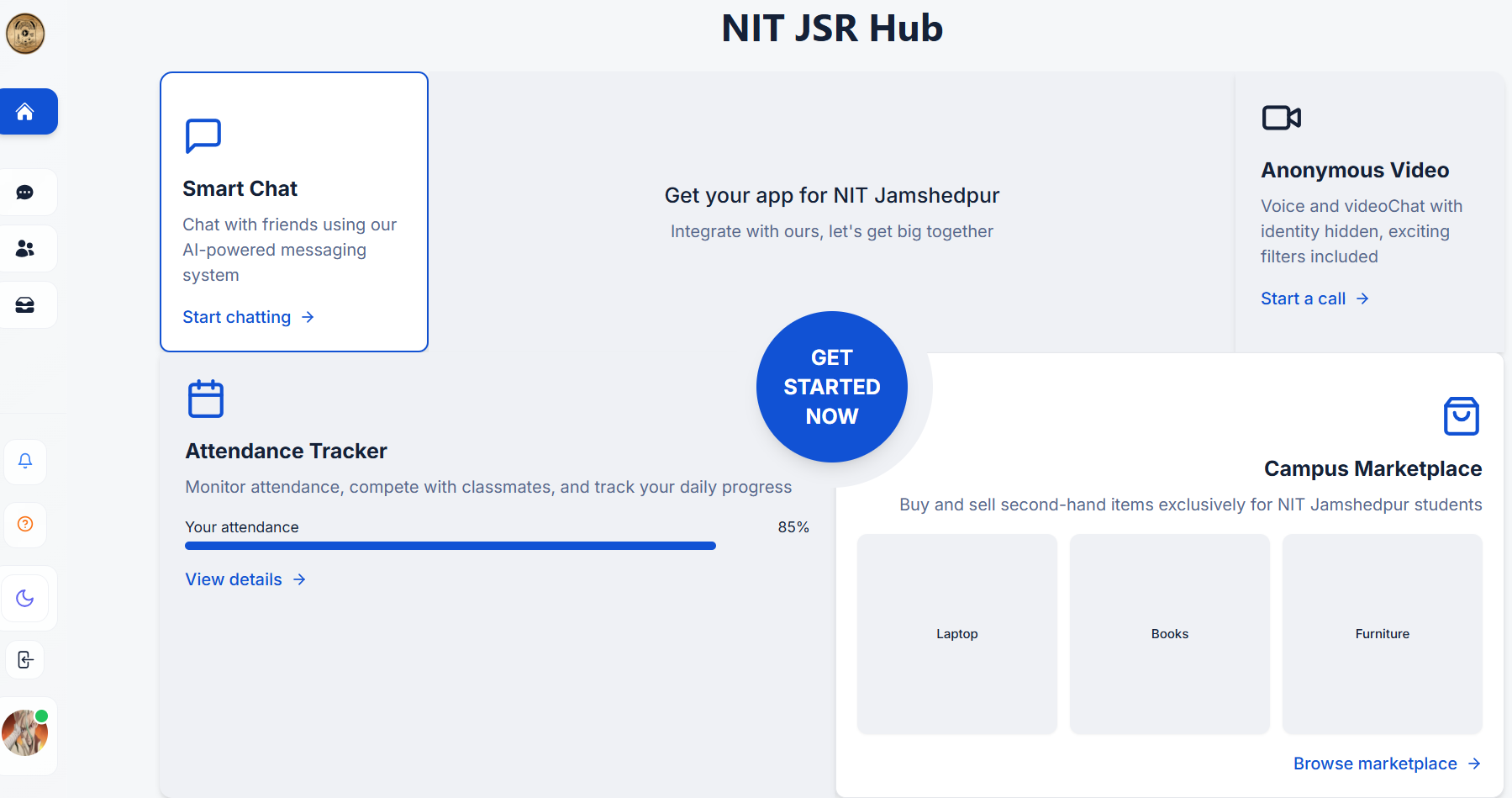
NIT-JSR Hub
2025Comprehensive Student Platform
Full-stack platform serving NIT Jamshedpur students with marketplace, real-time chat, video conferencing, and automated attendance tracking. Built with a microservices architecture.
Next.js · TypeScript · MongoDB · Prisma +4
Research
All research →Spectral-Separable Self-Attention for EEG Decoding
28th International DSPA Conference, Russia (IEEE)
Best Paper Award
Splits the EEG signal into learnable frequency bands in the Fourier domain and attends within each band separately, removing almost all of the attention cost of a standard transformer at 32K parameters. Works from three electrodes across three motor-imagery datasets, and the learned bands settle onto the mu, beta, and gamma motor rhythms without being told to.
Contrastive pretraining across EEG datasets, and why it failed
IEEE Transactions on Biomedical Engineering (TBME)
A large apparent gain from pretraining on five datasets disappeared under a matched control — the datasets were still separable by recording site after alignment, meaning the model had learned which laboratory the data came from rather than anything about the signal. Fixed with a label-free alignment step that adds no parameters and no inference cost, taking held-out accuracy from 67% to 75%. Moving augmentation onto the GPU cut a pretraining run from around twenty hours to five.
Region-quality attention for lightweight NSFW detection
IEEE Transactions on Multimedia (TMM)
Feeds region quality into the attention gate rather than into the loss alone, so a 2.6M-parameter model scores above ViT and ConvNeXt baselines more than ten times its size. An audit of the benchmark found most evaluation positives duplicated from training images, and the two classes separable from file metadata alone — every result was re-measured on a clean, rebuilt split.
Diversity-aware electrode selection for EEG
Journal of Neuroscience Methods
Picks electrodes for complementary coverage rather than individual strength, keeping six of sixty-four without losing accuracy. Brings the model to a fifth of its parameters and inference to five milliseconds; the one comparison that did not reach statistical significance is reported as such.
Get in touch
Open to internships, full-time roles, and collaborations.
© 2026 Shivapreetham H S